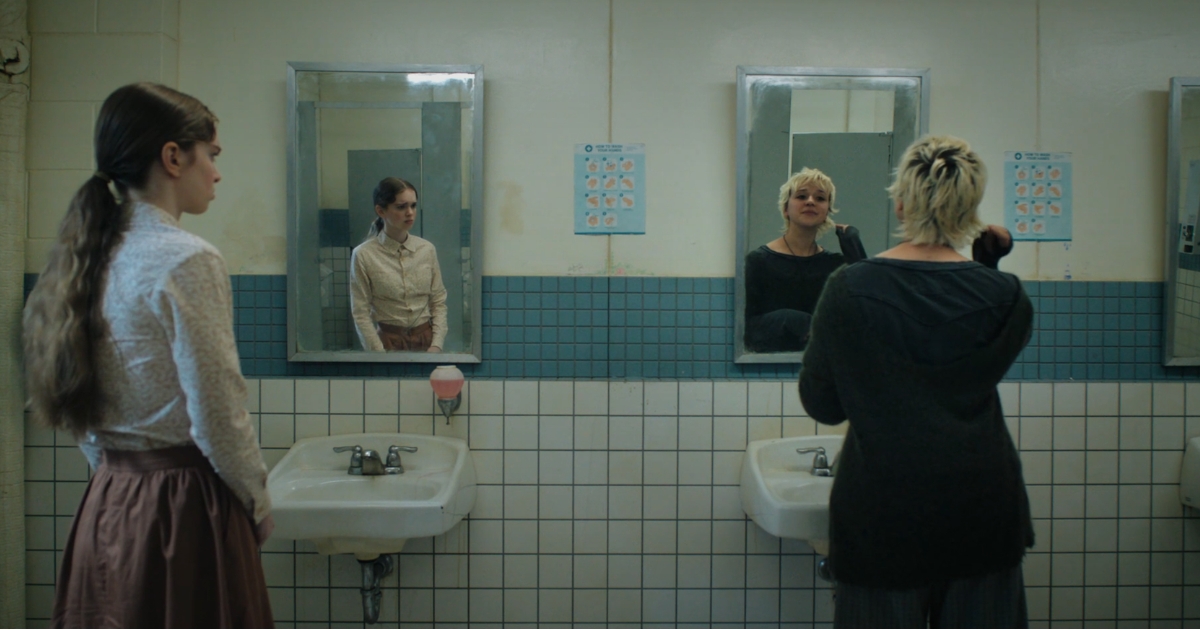

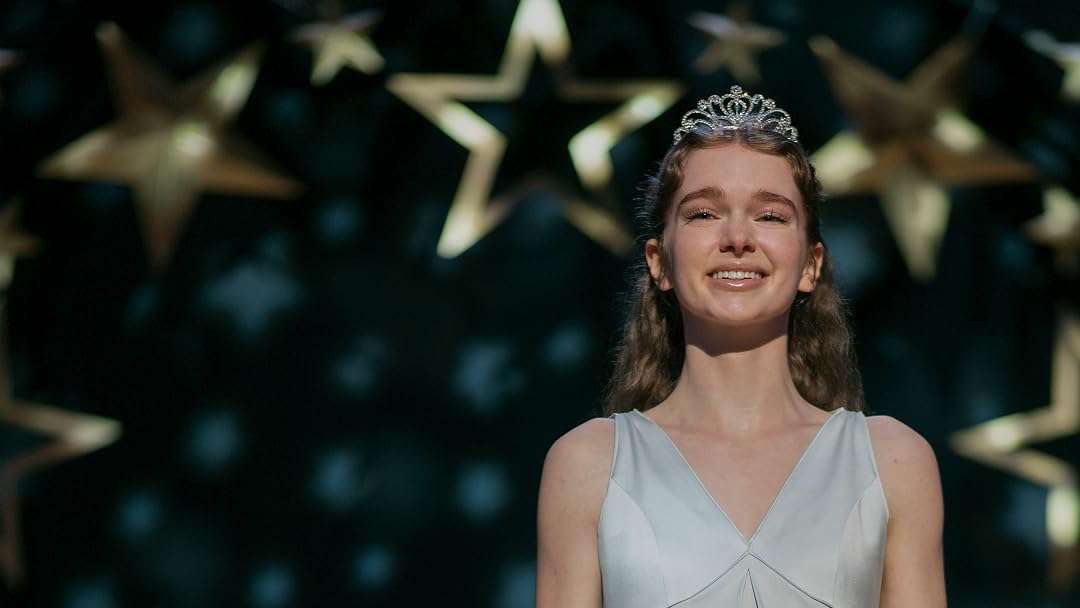

Cover photo: Amazon Prime
The premise of the book
Carrie, at its core, is about a troubled girl whose overly religious behavior and family background made her an easy target for bullying. The horror aspect of the book is heavily tied to Carrie’s superpower; the climax features a prom scene where she uses her telekinesis, and it is the most anticipated part of every adaptation. What makes King’s Carrie so interesting is that she is not a morally superior character with no flaws, and at times, it is even hard to empathize with her.
First time adapting Carrie as a TV show
As Mike Flanagan is famous for his horror TV show adaptations (The Haunting of Hill House and The Fall of the House of Usher, to name a few), it came as no surprise that he chose to adapt Carrie as one too. It is also not his first time adapting a Stephen King novel; he previously directed The Shining’s sequel, Doctor Sleep, which flopped at the box office but was mostly met with positive critical reception. Going into the new series with these in mind, fans had high expectations for Flanagan’s take on Carrie, only to be met with disappointment.
Before the series was even out, Flanagan already stated he was planning to make 3 seasons, and that was the first time alarm bells started ringing in people’s heads. Carrie is a standalone book; even stretching it into a season could be seen as a bad idea, let alone adding 2 more seasons. By that point, it was clear Flanagan was not going to stick closely to the book’s original plot, but as someone who is familiar with his other book-to-screen adaptations, I still had faith in his vision. He only uses the original text as a base and builds a story with his own added flair, which worked more often than not.
Which one is the inspiration: King’s book or De Palma’s film?
Brian De Palma’s Carrie (1976) is the first time we see Carrie on screen, and it is arguably the most iconic adaptation to date. The problem came after that: the others that followed were often based on De Palma’s work rather than King’s novel, which gets increasingly obvious by the way Carrie is portrayed.
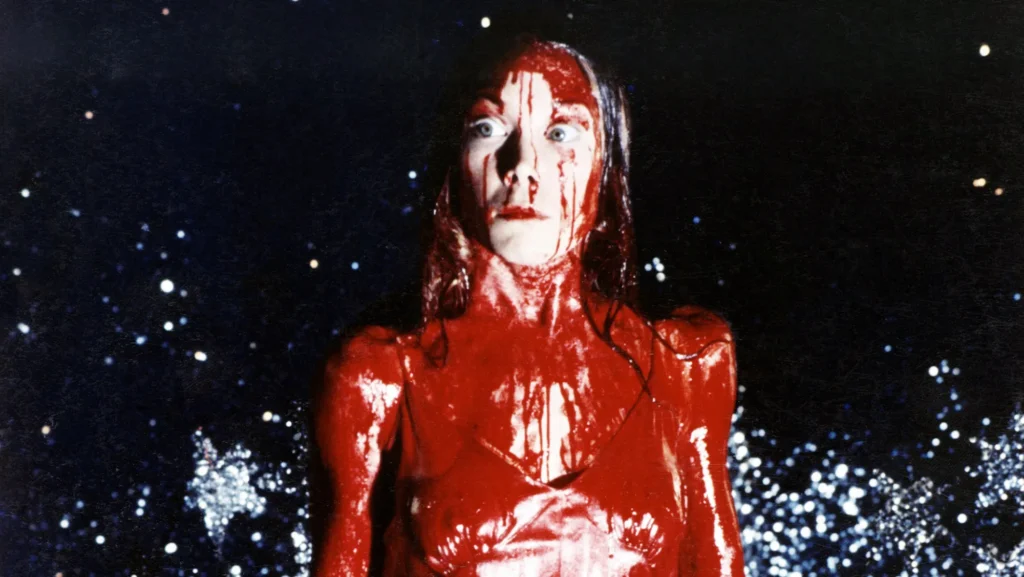
Book Carrie and film Carrie are very much different individuals; she is mellowed down in adaptations, and the most interesting aspects of her character are taken away. While in De Palma’s version it was not that palpable, in Flanagan’s it very much is: she is not allowed to make any mistakes, which in turn makes her character feel shallow and two-dimensional.
Losing the meaning of Carrie
It is important to note that Carrie White is not a perfect victim; she forces religion on others and judges them rather harshly based on her beliefs. That does not negate the fact that she is heavily abused at home and at school as well. King paints a nuanced picture of religious abuse and makes the reader question their own morality, and think about our own reaction to Carrie. She is met with disgust and confusion from her peers, and at multiple points during the book, one can find themselves standing on the wrong side, having the same reaction to her. Making her into an angelic being, the essence of the book is gone; it is just another story where the perfect and pretty much flawless character gets bullied (which, by the end of the season, is not even accurate, as she gains popularity).
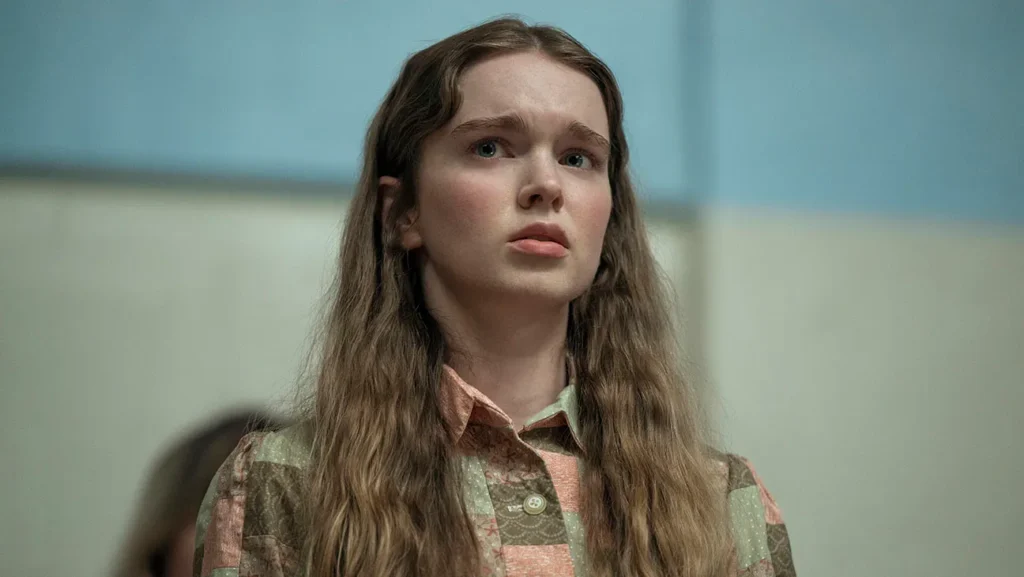
Her mother and the abuse she inflicts on Carrie feel nonexistent at multiple points during the season; they are more focused on her being an influencer/social warrior (that also goes basically nowhere in the end). In the original, her religious fanaticism is what makes Carrie a target and makes her emotionally vulnerable; she is not told about important things, such as menstruation (which leads to the shower scene that worsens her bullying). Although it is still part of the TV series, it is not nearly as significant — Margaret White often comes off as overbearing, but ultimately not dangerous. Even her death loses its meaning, as, instead of Carrie, a random woman is the one to deliver Carrie’s lines from the book, and she is the one to stop her heart.
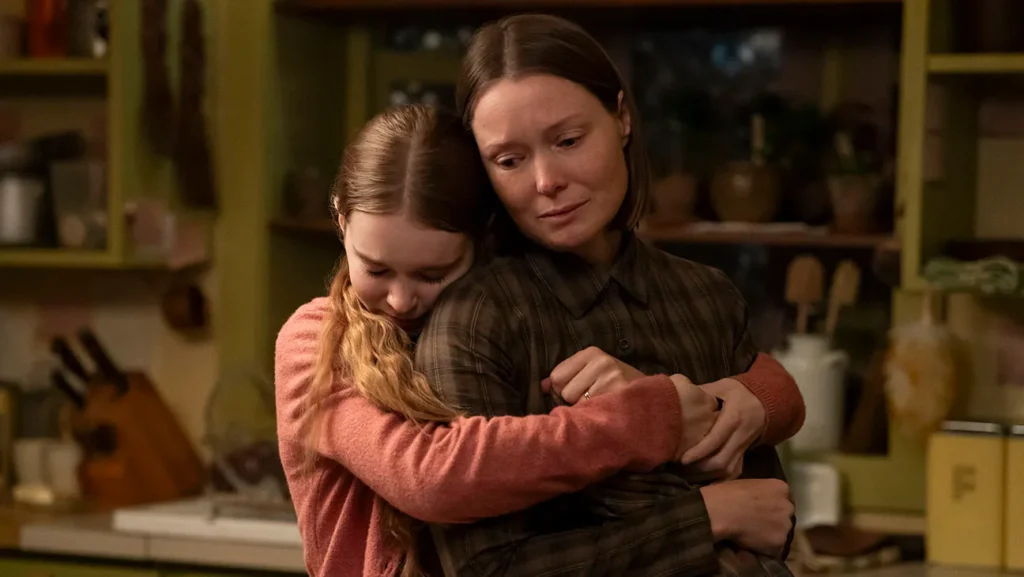
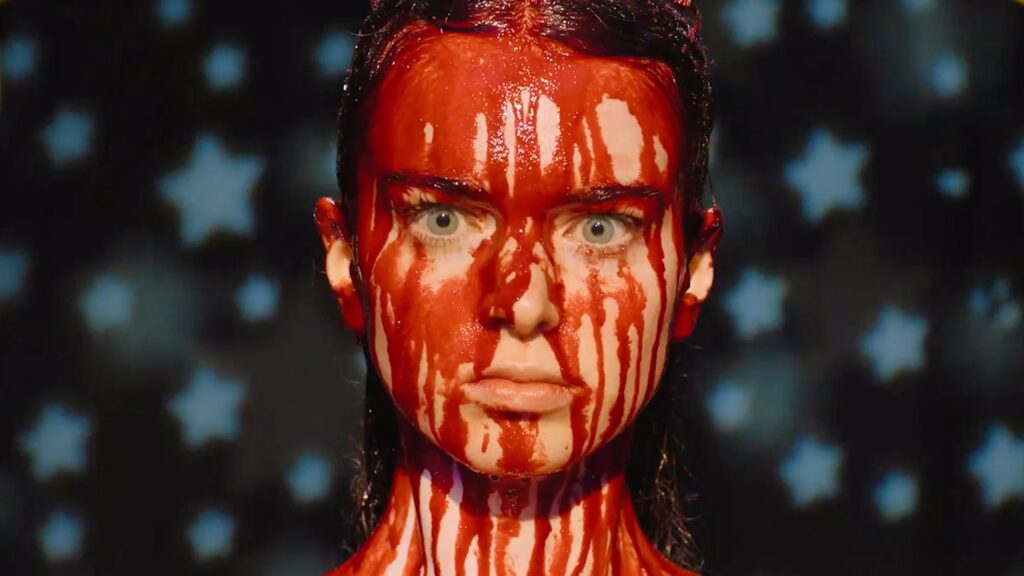
Carrie’s agency is completely taken away: she is not allowed to function as a proper, flawed character, and the prom scene suffers most because of this. Even in the most distressing situation, just after her happiest moment, when she is utterly humiliated, Carrie White still stays innocent and pure of heart; she is not to be blamed for the massacre—it was all Emaline. And who is Emaline? They are Flanagan’s addition to alleviate any guilt or morally bad actions from Carrie’s character. Flanagan needs the audience to sympathize with and like Carrie, simply because there are two other planned seasons, and without a likable main character, audience ratings are at risk.
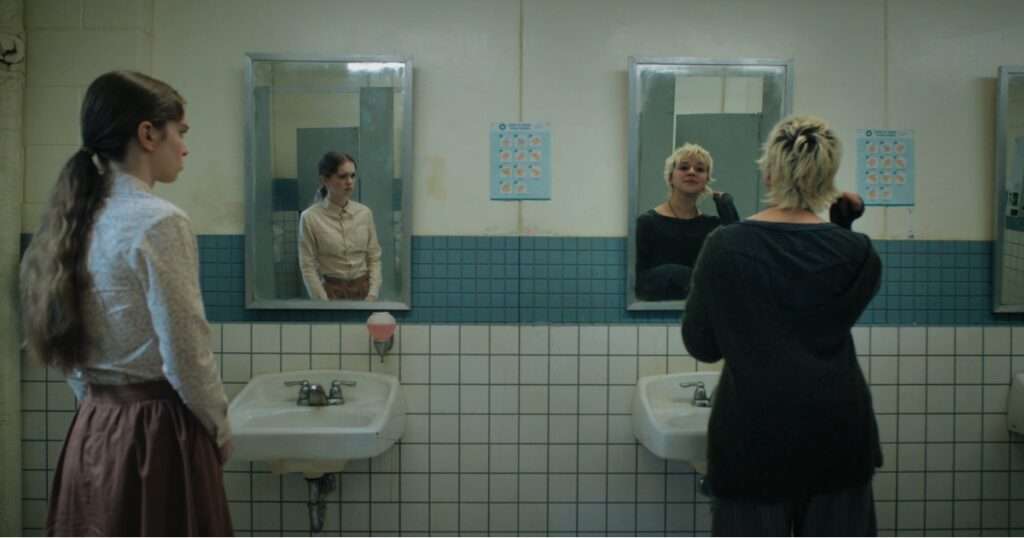
With her mother’s death and the prom carnage, all significant moments are taken away from Carrie, and the snapping after the constant abuse never comes. It is not Carrie killing her schoolmates and trapping them in fire; it is not Carrie walking on the streets after, void of any emotion; it is not Carrie slowing down her mother’s heart until it fully stops. Carrie is only lucid and back in control after everything is done — the blame for anything bad is on Emaline or her bullies, but never on her. And how can it be an adaptation of Carrie when the main message of the book is missing from the show? Flanagan was so afraid of having an even slightly unlikeable main character that he lost the meaning of the original text, and thus Carrie (2026) is on the same level of accuracy as Emerald Fennell’s Wuthering Heights (2026).
What’s next?
With Carrie renewed for a second season, we have to wait and see how Flanagan’s ideas play out on screen. The original novel’s plot ended with the first season, so going into season two, there is no original work to compare to. Hints throughout the season suggest that Flanagan plans on connecting Carrie to other King novels and characters that have the shine (a psychic gift) and expanding on this connection in upcoming seasons. Although there are theories, the actual future plot of the series and which direction it takes is still unknown and remains a mystery for now.