

Cover photo: British Museum
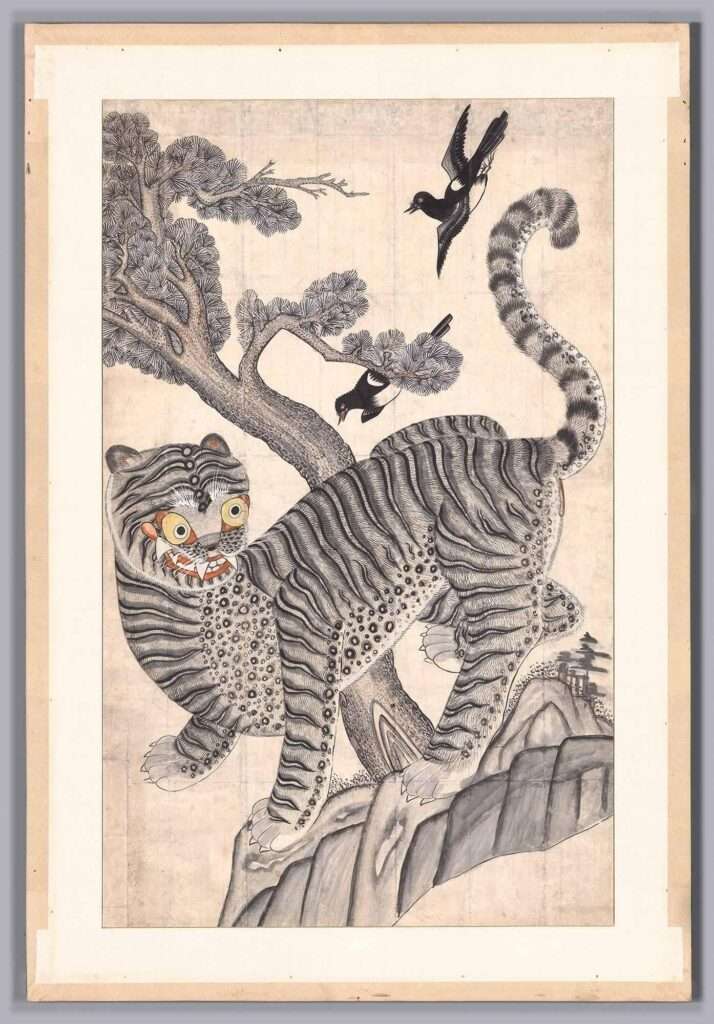
I have always enjoyed diving deep into East Asian art and dissecting the way they seem to view the entirety of the human experience so differently than we do here in Europe. I think we have a lot to learn from it, and this exhibition captures the things I admire about it perfectly. Those differences were visible from the very first pieces displayed; not long before flying to London, I visited a museum in Vienna, where I wandered through hundreds of ancient Greek and Roman ornaments, weapons, and jewelry. Though from a different time, they were the same objects I could see at the beginning of this Korean exhibition, yet they were made so strikingly differently in these two different parts of the world. One of the things I find particularly interesting is the way animals are portrayed compared to European art. They seem to be held in much higher regard, even if their species provides little to no material goods to humans. From the earliest pieces, animals like frogs, tigers, crabs, and so on could be seen incorporated in ways very rarely seen in Western pieces. Of course, there are exceptions, but most of the art we see from Europe contains only animals that either serve humans, for example, horses, or are considered aesthetically pleasing, such as birds. In East Asia, there’s less of a need for animals to be “useful” to us, for them to deserve to be displayed as something beautiful and deserving of respect, either standing by people’s side, or just quietly existing on their own terms.
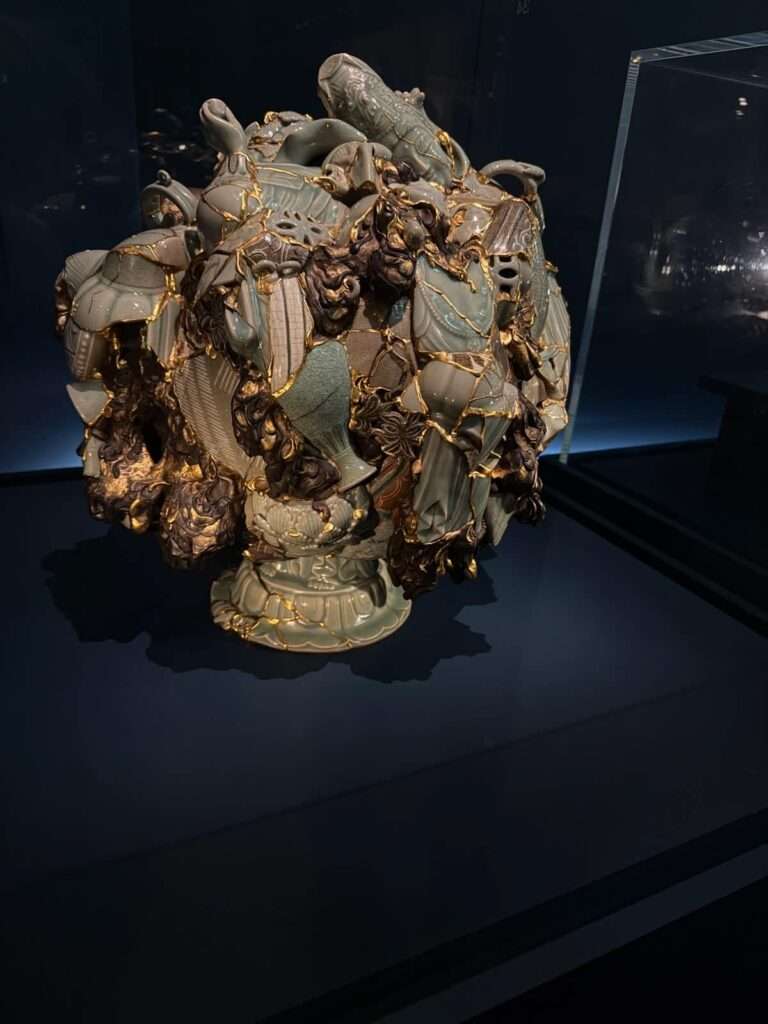
Predictably, Buddhist art was very prevalent in the exhibition, and though I spend quite a bit of time in my day-to-day life looking at Buddhist art and learning about Buddhist practices already, I think I’ll never stop being fascinated by the amount of creativity and subversiveness involved. There was a particular sculpture of broken vase pieces and the face and body of a Buddha melting together along thin golden lines, covered in gloss, that I must have spent five minutes just staring at, and that I still think about almost on the daily, even over two weeks after coming home. A picture, unfortunately, could never convey how it felt to take a turn in the room and be faced with something like that. This is one of the things I respect most about East Asian, and in particular Buddhist art: even if there’s a lack of explicit messages trapped in a piece, they often manage to evoke the strongest of emotions without any contextualization, going beyond the non-message of obvious, visible beauty.
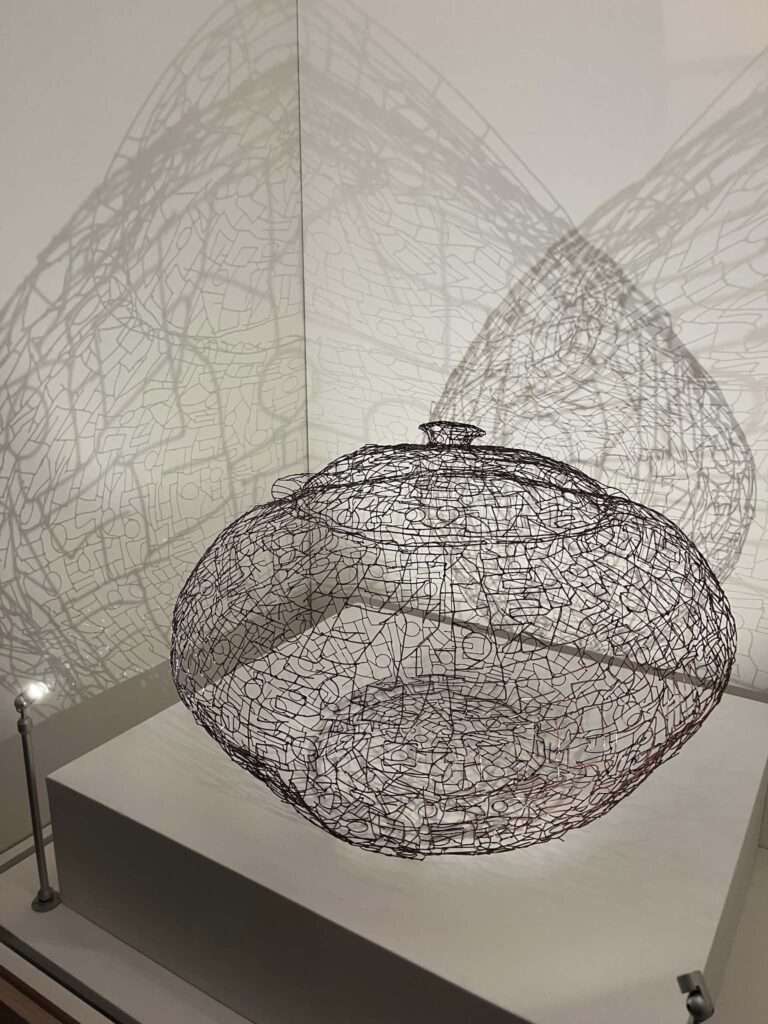
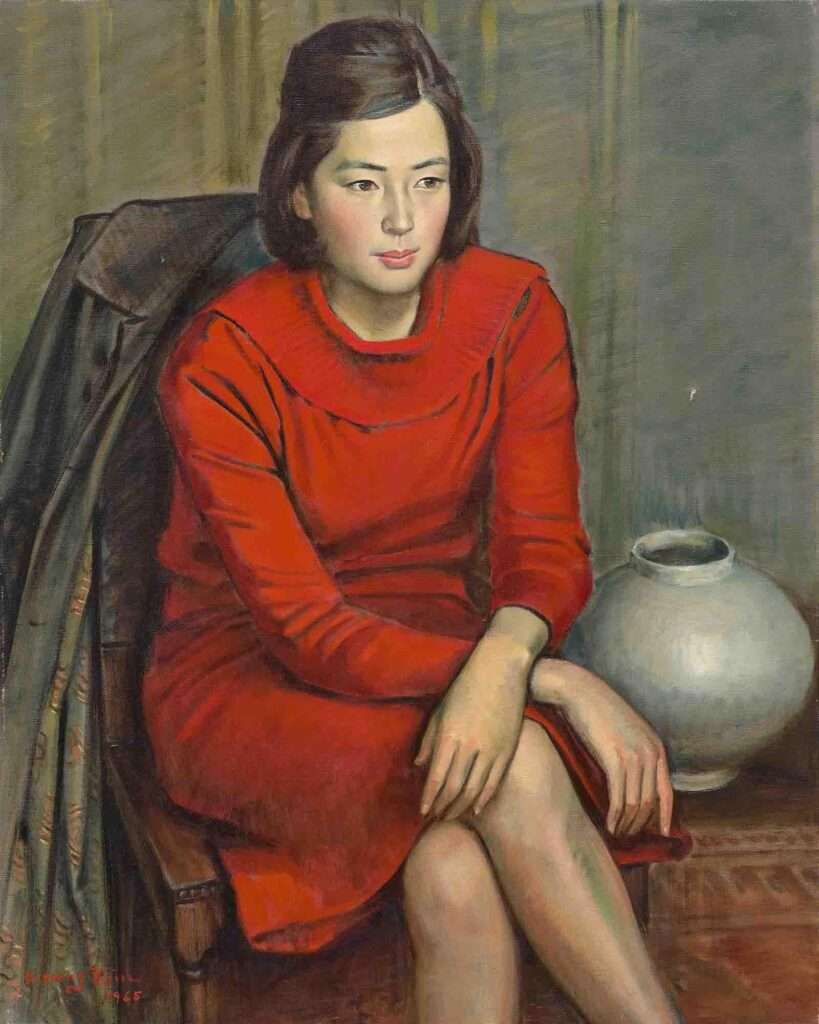
Anyone who knows even a hint of Korean history is aware that there are extraordinarily hard times behind their backs, the weight and pain of which their people still carry today. I think that’s something we, as Hungarians or just as Eastern Europeans, can greatly relate to, and the pieces from these times definitely contained significantly more similarities to some of our art than the rest of the exhibition. Art is the one thing that comforts and keeps people together even in the toughest of times; I think this unites the entirety of humankind almost above anything else, and that’s something I constantly find myself emotional over. Just like us, Koreans used whatever was available for them to create it in times of war: some of the pieces had footnotes about them being “painted” using stubbed cigarettes or being carved with any sharp tool when they had no access to any real art supplies. And of course, these pieces themselves had an extreme depth to them, filled with the unique experiences and emotions of those eras: soldiers painted the sights they saw when they finally got reunited with their families after years apart, and the sights they never got to see again, only dreamt of one day doing so while at war. They carved imagery that seems to be absolute nonsense, yet when viewed from the right perspective, they perfectly encompass the feelings of terror, desperation, and madness that are present in these times in every human who’s ever been forced to endure them all around the world. But, to end this paragraph on a higher note, there were also pieces depicting these eras that were created in hindsight, and as something that modern Koreans take immeasurable pride in, the way they were able to rebuild their society into a soaring titan from scratch, after all the pain, is portrayed as something heroic and subtly hopeful.
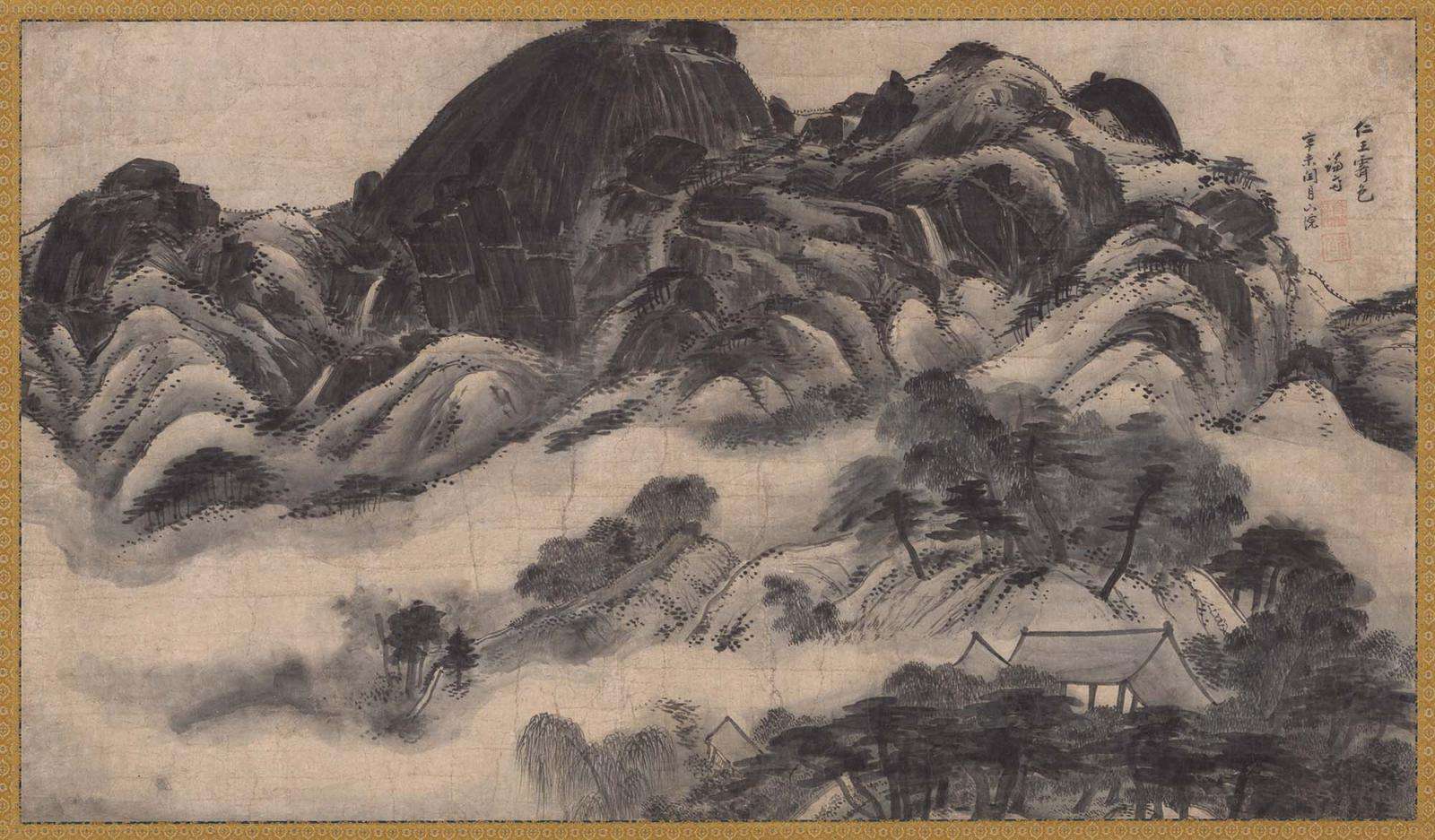
Despite being pretty well-acquainted with Korean art as well, I found myself surprised yet again at the innovativeness of techniques that often felt ahead of their time. The versatility of certain textures, especially in paintings, is another thing that I don’t think we see as often in older European art; lots of pieces feel very brave in the way they experiment with how they handle a brush or the materials they use, to the extent that some of them came off as almost contemporary to me, despite being made in the 16th to the 19th century. Actual contemporary Korean art wasn’t as present at this exhibition, but I do want to make the note that they continue to stay true to that creativity to the present day: being rendered speechless is something I’m used to experiencing whenever I’m looking at modern Korean art as well.
One piece I specifically found intriguing was a book from around the 15th century. The common alphabet used in Korea today is Hangul, which contains only 24 basic letters, commonly referred to as the “easiest alphabet to learn”, but originally, Korean used to be written in Hanja, which is an alphabet adapted from Chinese and is comprised of over 53 000 characters. Kim Sejong the Great created Hangul in the middle of the 15th century to make the alphabet easier to learn and for literacy to be accessible for common people, although it took hundreds of years for all Koreans to completely switch over from Hanja; a few thousand of the original characters are still taught to everyone enrolled in public education in both halves of Korea today. The book was nothing special, except for having been written during the time when Hangul was only starting to be included in literature, and the pages were filled with an unusual mix of characters from both Hanja and Hangul in different sizes and styles. Such a specific bit of history, that seems so simple, yet so unique: something like that couldn’t be seen in relics from countries that have been using a Roman alphabet for thousands of years.
Ironically, contrary to the – unfortunately not necessarily unfounded – stereotype that East Asian people in the modern day live frantically, consumed by work and studies and always marching on to complete the next task of the day, one of the pieces that touched me the most was a painting that symbolized the exact opposite of that lifestyle. A colorless, simple scene of the outlines of a giant tree, and under it, three people, sitting and seemingly not doing anything more than talking, nor in a hurry to get anywhere. The title was something along the lines of ‘a leisurely conversation’, and I was completely starstruck by the use of that word. Truly, what is more beautiful in life than an easy, quiet, leisurely conversation or stroll in nature with a couple of loved ones, where we don’t allow our minds to get stuck in the endless loop of having to make an effort, or invent something new, or even just be engaged in something complicated and productive? After being assaulted with so many intense thoughts and emotions about concepts such as history, war, the development of humankind, and our societal differences around the world throughout the exhibition, I ended up leaving with a simple and solacing conclusion to it all: what does anything even matter if we don’t allow ourselves to slow down and enjoy the beauty of the most basic pleasures and the beauty of life sometimes?